
Why Choose the Best Cardiac ECG Center in Serilingampally for Heart Evaluation?

Dr. Pallavi Chindam
Consultant Physician & Diabetologist • Posted on August 08, 2026 • 8 min read
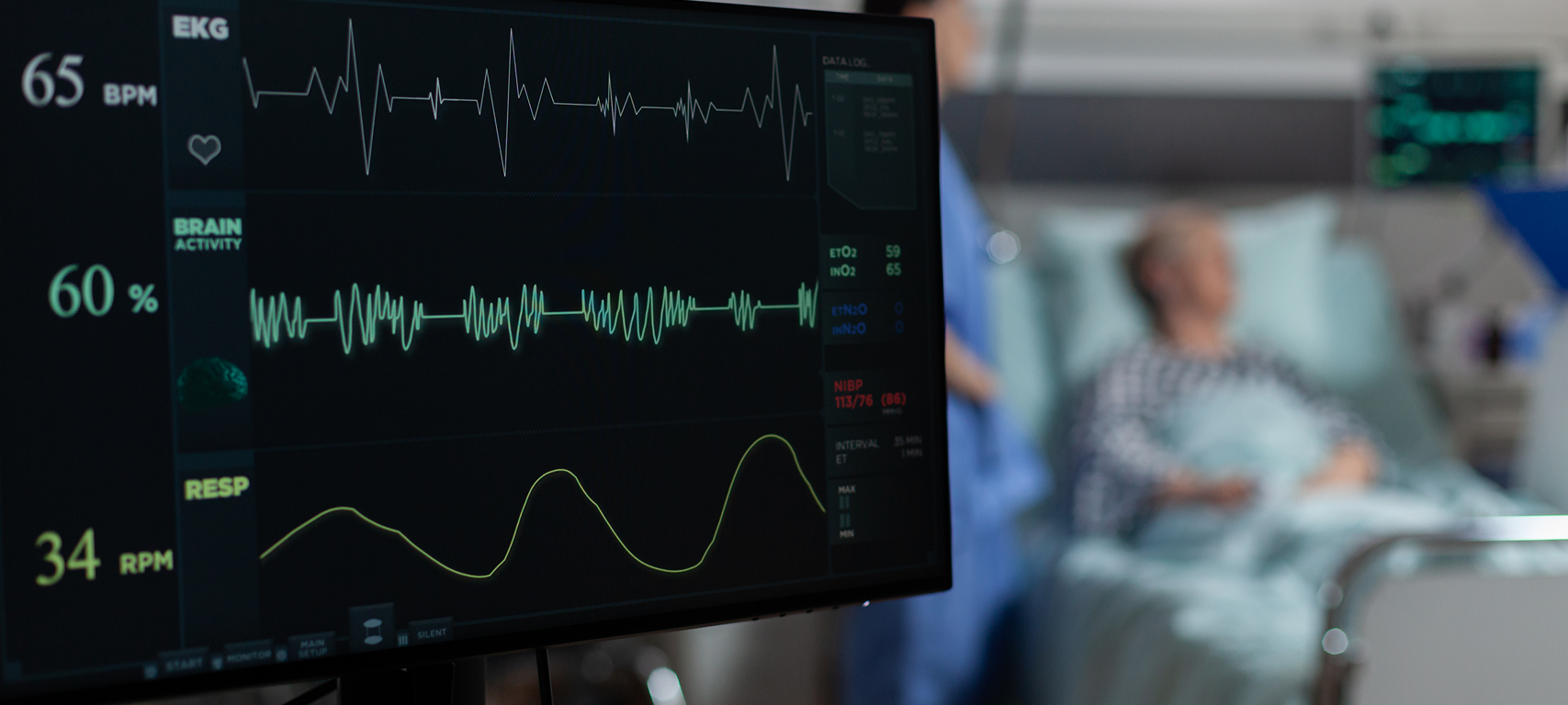
Heart disease remains one of the leading causes of death globally, and a significant portion of cardiac events could be prevented or better managed with earlier detection. A cardiac ECG is often the first and most accessible tool doctors use to assess heart health, but the value of the test depends heavily on where and how it is performed. Choosing the best cardiac ECG center in Serilingampally is not just about convenience; it is about ensuring accurate results and expert guidance that can genuinely protect your heart.
The Role of ECG in Cardiac Evaluation
An electrocardiogram captures the electrical activity of the heart, offering insights into heart rate, rhythm, and the overall functioning of the heart's conduction system. While it does not provide a complete picture of heart structure, it is exceptionally useful for identifying:
- Irregular heart rhythms (arrhythmias)
- Signs of reduced blood flow to the heart muscle (ischemia)
- Evidence of a past or current heart attack
- Heart chamber enlargement
- Certain congenital or acquired conduction abnormalities
Because it is quick, affordable, and non-invasive, an ECG is often the starting point for a broader cardiac workup, especially when further tests like 2D echocardiography or a treadmill stress test are needed.
Why the Quality of the Center Matters
Not every ECG reading is created equal. Several factors influence how reliable and useful the results are:
Accurate Electrode Placement
Even slight variations in electrode placement can alter the ECG tracing, potentially leading to misinterpretation. Trained technicians and physicians who follow standardised protocols ensure consistent, reliable results.
Equipment Quality and Calibration
Modern, well-calibrated ECG machines produce clearer, more accurate tracings. Older or poorly maintained equipment can introduce artefacts that complicate interpretation.
Physician-Led Interpretation
Perhaps the most critical factor is who reads the ECG. A machine-generated interpretation alone is not sufficient; a qualified physician needs to review the tracing in the context of your symptoms, medical history, and risk factors to reach an accurate conclusion.
Ability to Correlate Findings With Symptoms
The best cardiac centers do not look at an ECG in isolation. They correlate the findings with your reported symptoms, physical examination, and other test results to build a complete clinical picture.
What Sets Dr Pallavi Chindam's Clinic Apart
Dr Pallavi Chindam's clinic has become known as one of the best cardiac ECG centers in Serilingampally for several reasons that go beyond simply performing the test:
Comprehensive Clinical Context
Every ECG is interpreted alongside a detailed review of your symptoms, medical history, and risk factors, rather than being read as an isolated data point. This holistic approach reduces the chances of missed or misinterpreted findings.
Direct Physician Involvement
Unlike facilities where results are simply printed and handed over, Dr Pallavi Chindam personally reviews and explains ECG findings to every patient, ensuring you understand what the results mean and what steps, if any, are needed next.
Seamless Access to Further Testing
If your ECG reveals findings that require further investigation, the clinic offers coordinated access to additional cardiac diagnostics, including 2D echocardiography, treadmill testing, Holter monitoring, and ambulatory blood pressure monitoring, avoiding the delays and disjointed care that come with being referred elsewhere.
Personalised Follow-Up Care
Whether your ECG results are normal or indicate a need for further evaluation, you receive clear guidance on next steps, including lifestyle recommendations, medication if necessary, or referral for specialised cardiac procedures.
Common Situations That Call for an ECG
You may be advised to get a cardiac ECG if you experience:
- Chest pain, pressure, or discomfort
- Palpitations or a sensation of irregular heartbeat
- Unexplained shortness of breath
- Dizziness or fainting spells
- Fatigue that seems disproportionate to your activity level
- A family history of heart disease, especially at a young age
Additionally, individuals with hypertension, diabetes, high cholesterol, or obesity should consider periodic ECG screening as part of routine preventive care, even without symptoms.
The Process at a Trusted Cardiac ECG Center
When you visit Dr Pallavi Chindam's clinic for a cardiac evaluation, you can expect:
- A detailed conversation about your symptoms, lifestyle, and medical history
- A physical examination, including blood pressure and pulse assessment
- The ECG test itself, performed with proper technique and modern equipment
- Immediate, physician-led interpretation of your results
- A clear explanation of findings and, if needed, a plan for further testing or treatment
Why Preventive Cardiac Screening Matters
Many cardiac conditions develop silently over years. By the time symptoms like chest pain or breathlessness appear, significant damage may have already occurred. Regular ECG screening, particularly for those with risk factors, offers a valuable opportunity to catch abnormalities early and take preventive action before a major cardiac event occurs.
Prioritise Your Heart Health Today
Your heart deserves more than a rushed, impersonal test. Choosing the best cardiac ECG center in Serilingampally means choosing a facility where accuracy, expert interpretation, and genuine patient care come together. Dr Pallavi Chindam's clinic offers exactly that combination, giving patients confidence in their results and clarity on their path forward. If you have symptoms that concern you, or simply want a proactive check on your heart health, schedule your ECG evaluation today.
The Value of Baseline ECG Records Over Time
One often overlooked benefit of visiting a consistent, reliable cardiac ECG center is the ability to build a baseline record of your heart's electrical activity over time. Having a personal history of ECG results allows your physician to identify subtle changes that might otherwise be missed if each test is interpreted in isolation without any point of comparison.
This is particularly valuable for patients with hypertension, diabetes, or a family history of heart disease, where gradual changes in the ECG pattern over years can provide early warning of developing problems, well before symptoms would prompt an urgent evaluation.
How Technology and Human Expertise Work Together
Modern ECG machines often include automated interpretation software that flags potential abnormalities. While this technology is a useful aid, it is not a substitute for physician review. Automated systems can occasionally flag normal variations as abnormal, or in some cases, fail to recognise subtle but clinically significant patterns that an experienced physician would catch immediately.
The best cardiac ECG centers use technology as a supportive tool while relying on physician expertise as the final and most important layer of interpretation, ensuring that patients receive both efficient testing and clinically sound conclusions.