
2D Echo Testing: What to Know Before Visiting the Best Physician for 2D Echo in Serilingampally

Dr. Pallavi Chindam
Consultant Physician & Diabetologist • Posted on August 05, 2026 • 9 min read
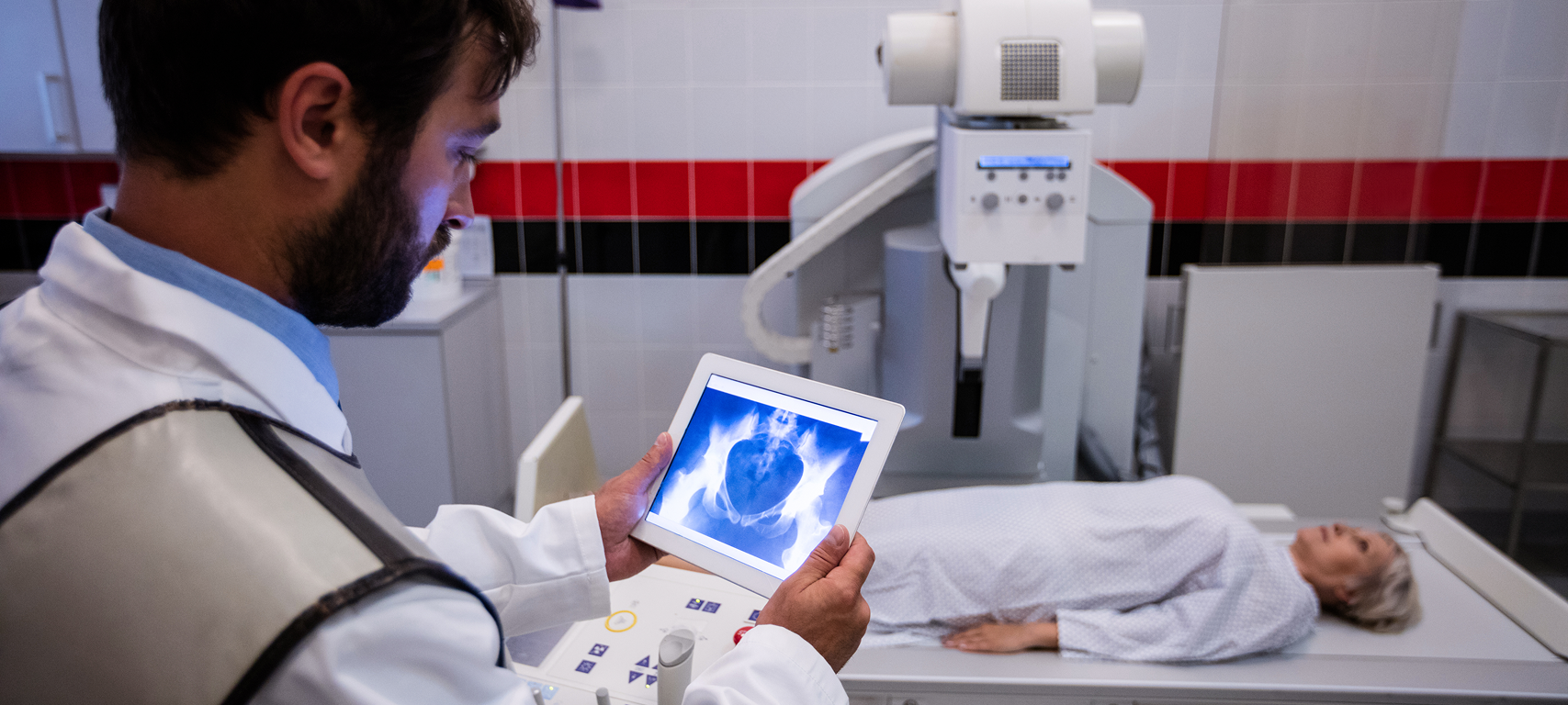
A 2D echocardiogram, commonly referred to as a 2D echo, is one of the most powerful and widely used tools in modern cardiology. Unlike an ECG, which measures the heart's electrical activity, a 2D echo uses ultrasound technology to create a real-time, moving image of the heart's structure and function. If your doctor has recommended this test, understanding what it involves and knowing what to expect when visiting the best physician for 2D echo in Serilingampally can help ease any concerns and ensure you get the most accurate results.
What Is a 2D Echocardiogram?
A 2D echo uses high-frequency sound waves, similar to those used in pregnancy ultrasounds, to visualise the heart's chambers, valves, and blood flow in real time. A small probe called a transducer is placed on the chest, and it sends sound waves that bounce off the heart's structures, creating detailed images displayed on a monitor.
This test is completely painless and non-invasive, involving no needles, radiation, or discomfort beyond the mild pressure of the probe against your chest.
What Does a 2D Echo Reveal?
A 2D echo provides a wealth of information about the heart's structure and function, including:
- The size and thickness of the heart chambers
- The pumping efficiency of the heart, measured as ejection fraction
- The condition and function of the four heart valves
- The presence of fluid around the heart (pericardial effusion)
- Blood flow patterns and any abnormal leaks or blockages
- Signs of congenital heart defects
- Evidence of prior heart attacks affecting muscle function
Because it visualises the heart in motion, a 2D echo can detect structural and functional problems that an ECG alone cannot identify.
Who Should Consider a 2D Echo?
Your physician may recommend a 2D echo if you have:
- Unexplained breathlessness, especially during exertion
- Chest pain or discomfort
- Swelling in the legs or abdomen, which can indicate heart failure
- A heart murmur detected during a physical examination
- A history of heart attack or known heart disease
- High blood pressure with signs of heart strain
- Palpitations or irregular heartbeat
- A family history of congenital heart conditions
It is also commonly used to monitor patients with known heart conditions over time, tracking whether their condition is stable, improving, or worsening.
What to Expect During the Test
A 2D echo typically takes between 20 to 45 minutes and involves the following steps:
- You will lie on your side or back on an examination table.
- A small amount of gel is applied to your chest to help the ultrasound probe make good contact with your skin.
- The physician or trained technician moves the probe across different areas of your chest to capture images of the heart from multiple angles.
- You may be asked to briefly hold your breath or shift position to obtain clearer images.
- The images are recorded and reviewed by the physician for interpretation.
There is no need for fasting or special preparation before a standard 2D echo, though your doctor will provide specific instructions if needed.
Why Physician Expertise Matters for 2D Echo
Unlike some diagnostic tests that can be fully automated, a 2D echo requires skilled, real-time interpretation. The physician performing or reviewing the test must be able to:
- Accurately identify subtle structural abnormalities
- Correlate imaging findings with your symptoms and medical history
- Distinguish between normal variations and clinically significant findings
- Recommend appropriate next steps based on the results
This is why choosing an experienced physician for your 2D echo is just as important as the test itself. A skilled eye can catch findings that might otherwise be missed or misinterpreted.
What Sets Dr Pallavi Chindam's Approach Apart
As a trusted physician for 2D echo in Serilingampally, Dr Pallavi Chindam brings a thorough, patient-centred approach to cardiac imaging:
Detailed Clinical Correlation
Every 2D echo is interpreted in the context of your overall health, symptoms, and other test results, ensuring that findings are understood within a complete clinical picture rather than in isolation.
Clear, Understandable Explanations
After the test, Dr Pallavi Chindam takes the time to walk you through the results in plain language, explaining what each finding means for your heart health and what, if any, follow-up steps are needed.
Integrated Cardiac Care
If the 2D echo reveals findings that require further evaluation or treatment, you have seamless access to complementary tests such as ECG, treadmill stress testing, or referral to specialised cardiac care when necessary.
Comfortable, Professional Environment
The testing process is conducted with attention to patient comfort and privacy, helping to ease any anxiety associated with cardiac testing.
Common Questions About 2D Echo Testing
Is a 2D echo painful?
No, it is completely painless. You may feel mild pressure from the probe, but there is no discomfort beyond that.
How is it different from an ECG?
An ECG measures electrical activity, while a 2D echo shows the physical structure and movement of the heart. They are complementary tests that together provide a much fuller picture of heart health.
Do I need to prepare for the test?
Generally, no special preparation is required, though you should wear comfortable clothing and inform your doctor of any relevant medical history beforehand.
How soon will I get results?
At Dr Pallavi Chindam's clinic, results are typically discussed with you during the same visit, allowing for immediate clarity and next steps.
Take the Next Step for Your Heart Health
A 2D echo offers invaluable insight into how well your heart is functioning structurally, information that cannot be obtained from blood tests or an ECG alone. If your doctor has recommended this test, or if you have symptoms that warrant a closer look at your heart's structure, choosing an experienced physician makes all the difference. Dr Pallavi Chindam, recognised as one of the best physicians for 2D echo in Serilingampally, combines advanced diagnostic technology with expert, personalised interpretation to give you clarity and confidence about your heart health.
How 2D Echo Complements Other Cardiac Tests
While a 2D echo provides detailed structural information, it works best as part of a broader diagnostic picture. For example, an ECG might reveal an electrical abnormality, and the 2D echo can then help determine whether there is an underlying structural cause, such as an enlarged chamber or a damaged heart valve. Similarly, in patients who have had a treadmill stress test with concerning results, a 2D echo can help assess whether there is any resting structural abnormality contributing to those findings.
This complementary relationship between different cardiac tests is why choosing a clinic that offers integrated, coordinated cardiac diagnostics, rather than a single isolated test, provides significantly more value for patients seeking a genuine understanding of their heart health.
Understanding Ejection Fraction in Simple Terms
One term patients often hear after a 2D echo is "ejection fraction," which can sound intimidating without context. In simple terms, ejection fraction measures the percentage of blood pumped out of the heart's main pumping chamber with each heartbeat. A normal ejection fraction generally falls between 55% and 70%. Lower values can indicate weakened heart muscle function, a condition that, if identified early, can often be managed effectively with medication and lifestyle changes to prevent progression to heart failure.
Understanding this single number, and how your physician explains its significance for your specific situation, is one of the most valuable takeaways from a 2D echo evaluation.