Treadmill Test for Heart Health: When to See the Best Treadmill Test Specialist in Serilingampally

Dr. Pallavi Chindam
Consultant Physician & Diabetologist • Posted on August 01, 2026 • 9 min read
A treadmill test, also known as a cardiac stress test or exercise tolerance test, is one of the most valuable tools available for evaluating how well the heart performs under physical exertion. While resting tests like an ECG or echocardiogram provide important information, they only capture the heart's function at rest. A treadmill test reveals how the heart responds when it is working hard, which can uncover problems that would otherwise go undetected. Knowing when to see the best treadmill test specialist in Serilingampally can help you catch hidden cardiac issues before they become serious.
What Is a Treadmill Test?
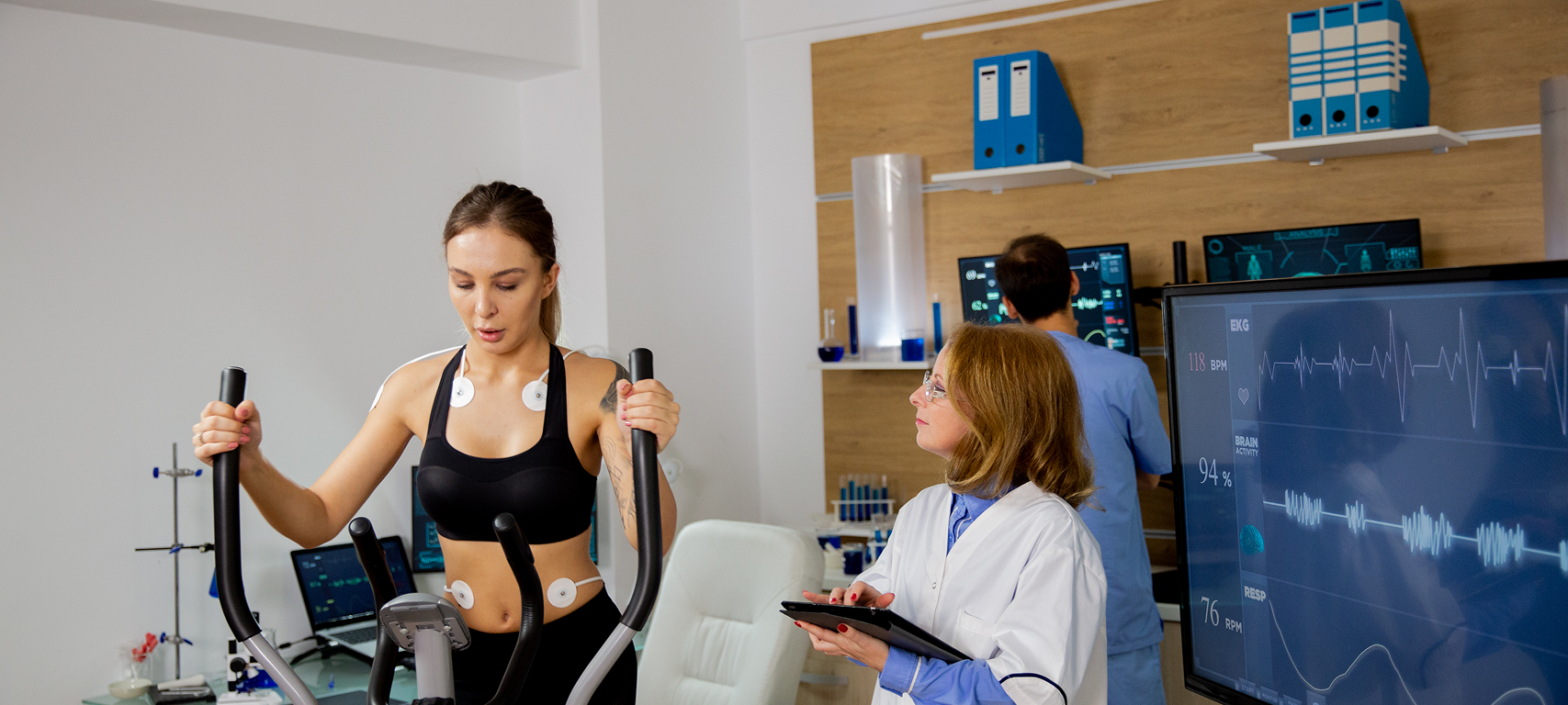
During a treadmill test, you walk on a treadmill while your heart rate, blood pressure, and ECG readings are continuously monitored. The intensity of the exercise gradually increases according to a standardised protocol, and the test is stopped once you reach your target heart rate, develop symptoms, or show concerning changes on the monitor.
This controlled, progressive exercise allows doctors to observe how your heart responds to increasing demand, information that simply cannot be gathered from a resting test alone.
Why Exercise-Based Testing Matters
Many heart conditions, particularly those involving reduced blood flow to the heart muscle (a condition known as ischemia), only become apparent when the heart is working harder and requires more oxygen. At rest, the heart may function normally even in the presence of significant blockages, because the demand for blood flow is low. During exercise, however, these hidden blockages can cause symptoms or detectable changes in heart rhythm and function.
This makes the treadmill test particularly valuable for:
- Detecting coronary artery disease that is not apparent at rest
- Assessing exercise capacity and overall cardiovascular fitness
- Evaluating the effectiveness of treatment in patients with known heart disease
- Determining safe exercise limits for patients with cardiac risk factors
- Investigating unexplained symptoms that occur during physical activity
Who Should Consider a Treadmill Test?
Your physician may recommend a treadmill test if you experience:
- Chest pain, pressure, or discomfort during physical exertion
- Breathlessness that occurs specifically during activity
- Palpitations triggered by exercise
- Unexplained fatigue that limits your physical capacity
- Dizziness or fainting during or after exercise
It is also commonly recommended for:
- Individuals over 40 with risk factors like hypertension, diabetes, high cholesterol, or a family history of heart disease
- Patients planning to start a new, intense exercise programme
- People being evaluated before certain surgeries
- Patients with known heart disease who need to assess treatment effectiveness or exercise safety
What Happens During the Test
At Dr Pallavi Chindam's clinic, a treadmill test typically follows this process:
- Pre-test evaluation: A review of your medical history, symptoms, and a resting ECG to establish a baseline.
- Electrode placement: Small electrodes are attached to your chest to continuously monitor your heart's electrical activity throughout the test.
- Gradual exercise: You begin walking on the treadmill at a comfortable pace, with the speed and incline gradually increasing according to a standardised protocol.
- Continuous monitoring: Your heart rate, blood pressure, ECG readings, and symptoms are monitored throughout the test.
- Recovery phase: After reaching the target heart rate or stopping criteria, you continue to be monitored during a recovery period as your heart rate returns to normal.
- Result interpretation: Dr Pallavi Chindam reviews the complete data set, including how your heart responded to increasing exertion, to assess your cardiac health.
The entire process usually takes about 30 to 45 minutes, including preparation and recovery monitoring.
Signs That Indicate You Should See a Specialist
You should consider consulting the best treadmill test specialist in Serilingampally if you notice:
- Chest discomfort that specifically occurs with physical activity and resolves with rest
- Breathlessness that is disproportionate to your level of exertion
- A sudden decline in your ability to perform activities you previously managed easily
- Palpitations or an irregular heartbeat sensation during exercise
- A family history of heart disease combined with any exercise-related symptoms
These symptoms should never be dismissed as simply being "out of shape," particularly if they represent a change from your previous baseline fitness level.
Why Specialist Supervision Is Essential
A treadmill test involves pushing your cardiovascular system under controlled but genuinely demanding conditions. This is why the test must be conducted under proper medical supervision, with a physician trained to:
- Recognise early warning signs that indicate the test should be stopped
- Accurately interpret ECG changes that occur during exertion
- Correlate symptoms with objective monitoring data
- Make informed decisions about safety throughout the test
Dr Pallavi Chindam personally oversees treadmill testing at her clinic, ensuring both patient safety and accurate, clinically meaningful interpretation of results.
What Happens After the Test
Following your treadmill test, Dr Pallavi Chindam will discuss the results with you directly, explaining:
- Whether your heart's response to exercise was normal or showed signs of concern
- Your overall exercise capacity compared to expected norms for your age and fitness level
- Any recommendations for further testing, such as a 2D echo or coronary evaluation, if needed
- Guidance on safe exercise levels and lifestyle modifications going forward
Take a Proactive Step Toward Heart Health
A treadmill test offers insights into your heart's true functional capacity that resting tests simply cannot provide. If you have experienced exercise-related symptoms, or if you fall into a higher-risk category due to age or existing health conditions, do not wait to get evaluated. Dr Pallavi Chindam, recognised as one of the best treadmill test specialists in Serilingampally, provides thorough, safely supervised stress testing along with clear, actionable guidance for protecting your heart health.
Understanding the Bruce Protocol and Testing Stages
Most treadmill tests follow a standardised approach known as the Bruce protocol, which involves increasing the treadmill's speed and incline in stages, typically every three minutes. This gradual, structured increase allows physicians to observe how your heart responds progressively, rather than subjecting you to a sudden, uncontrolled level of exertion. Each stage brings you closer to your target heart rate, calculated based on your age, while continuous monitoring tracks your ECG, blood pressure, and any symptoms throughout.
Understanding this structured approach can help ease anxiety for patients who may feel apprehensive about undergoing an exercise-based cardiac test, knowing that the process is carefully controlled and closely supervised at every stage.
When a Treadmill Test May Not Be Appropriate
While extremely valuable, a treadmill test is not suitable for everyone. Patients with certain conditions, such as severe uncontrolled hypertension, certain unstable heart rhythms, or significant physical limitations that prevent adequate exercise, may need alternative testing methods, such as a pharmacological stress test using medication instead of physical exertion to simulate the heart's response to increased demand.
A thorough pre-test evaluation by an experienced physician is essential to determine whether a standard treadmill test is the right choice for your specific situation, or whether an alternative approach would be safer and more appropriate.